

So What Heritage
Telling new stories about museum collections through video and digital art

So What Heritage is a two-year collaboration between Beacon Films and Great North Museum, Hancock, supported by the National Lottery Heritage Fund.
We are seeking creative disabled and neurodivergent people to take part in our project to explore museum collections through film.
In these workshops, we will help you make short films and video art using both mobile devices and professional equipment.
Your films will be inspired by objects you find at the Great North Museum. This is a chance to give new life to old things and share your unique view on heritage.
The videos you make will be shown inside the museum and on social media. This will help more people see and understand heritage from a different perspective.
If you are interested to take part, please email Michelle at getinvolved@beaconfilms.org.uk


BFI Film Academy North East
Our entry level programme for 16-25 year olds to discover their filmmaking talents
BFI Film Academy Introductory Course
Delivered by Beacon Films in Newcastle upon Tyne.
Do you love watching or making films?
Or dream of a career in the Screen Industry?
Would you like to make your own short film and watch it on the big screen with friends and family?
Our BFI Film Academy is NOW open to young people aged 16–19 or 20 - 25 with an EHCP or equivalent.
Running from Saturday 24th October to Saturday 12th December 2026 on weekends.
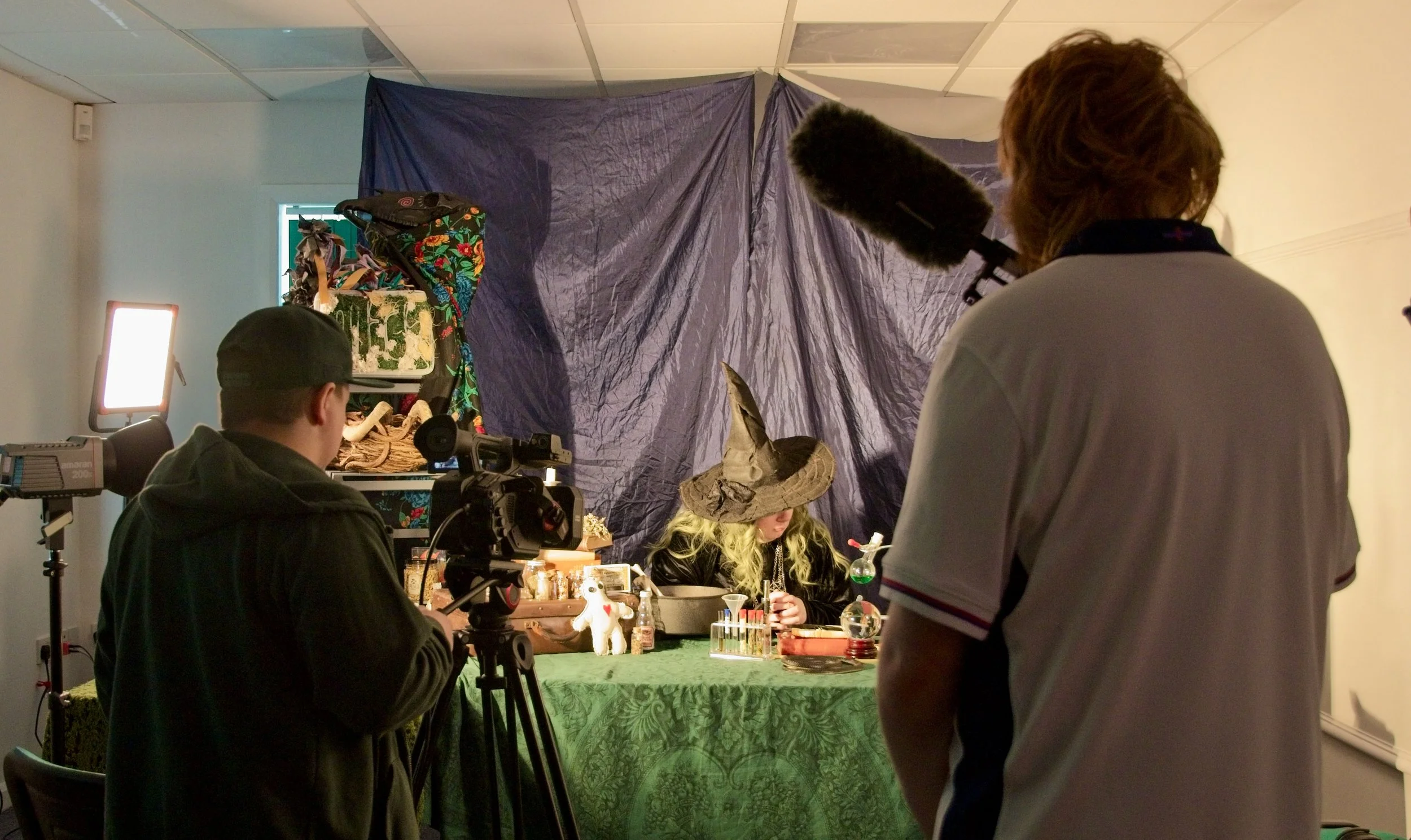
During 9 full-days of workshops, supported by professional filmmakers, you will script, shoot and edit your own film.
No experience is necessary to take part, just enthusiasm and a passion for film.
We have 12 FREE places available.
To be eligible for a place, you must:
Be aged 16-19 or 20-25 if you have an EHCP or equivalent
Live in the North East of England
NOT be enrolled at a University when the course starts
To apply, please attend one of our Taster & Application sessions on Saturday 10th October.
We have two sessions to choose from, 10am - 12.15pm and 1.00pm - 3.15pm
Watch our previous BFI Film Academy productions here!
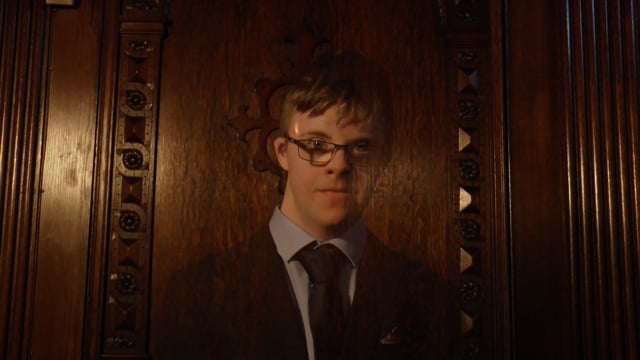
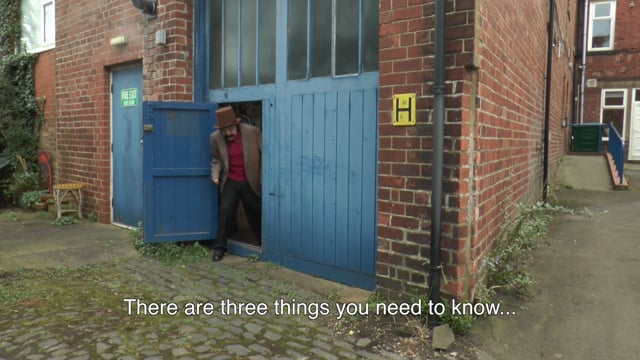
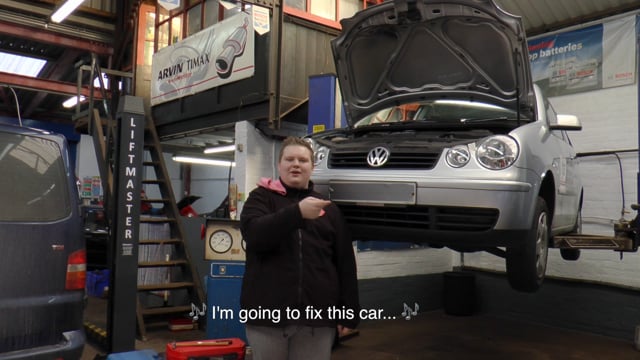


Focus First
An opportunity to experiment and collaborate creatively with film

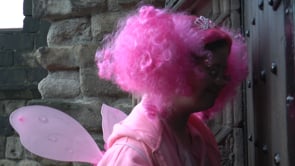
Focus First (formerly Viewfinder) offers a supportive environment for Disabled and Neurodivergent filmmakers to experiment, connect, and collaborate.

“Beacon films has given me the confidence, experience and social skills to work with other organisations.”
“It’s made me more confident with things like solving a problem myself before i ask someone. It helps me with creativity and developing ideas”
Viewfinder - Behind the Scenes (2023)

Focus Forward
Supporting disabled and neurodivergent creatives to take the next steps in their screen career
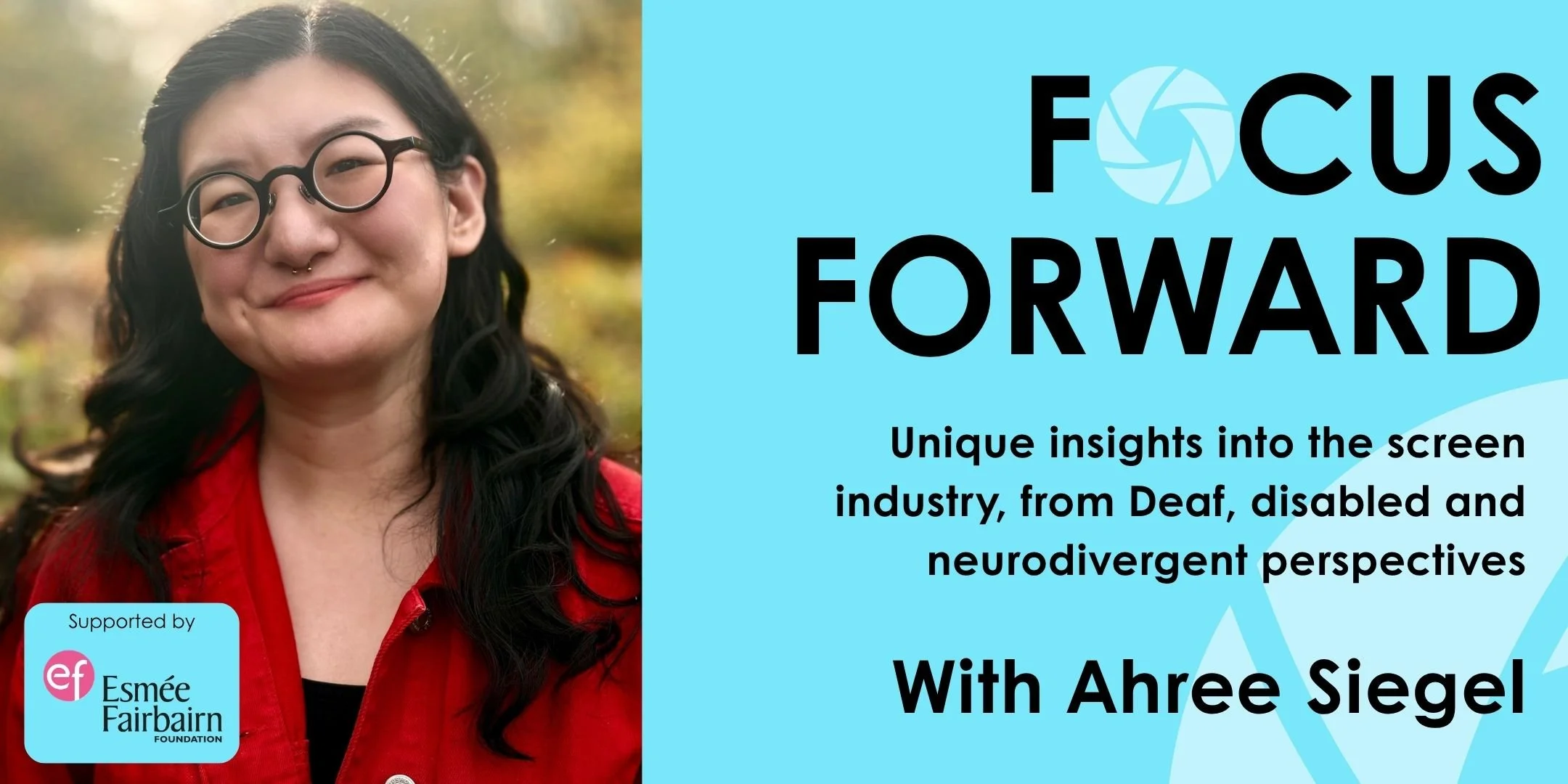
Focus Forward supports Deaf, disabled and/or neurodivergent (‘DDN’) creatives with their ambitions in film, TV or video production
Whether you're just starting out, need help staying on track, or want to develop your career, we're here to support you.
Focus Forward includes FREE:
Regular online information events for DDN screen creatives based anywhere in the UK.
Goals Mentoring offer to help you progress you film, TV or video production ambitions (currently NE England only)
Private LinkedIn group for creatives and commissioners to connect
A free resource centre of recordings and resources from all our events so far
Focus Forward is a companion project to Inclusive Lens, which supports organisations that commission screen content to be more inclusive places for disabled screen creatives
Upcoming Events
Previous Events include:
Routes into Screen: the career journeys of director: Owen Tooth, writer: Amanda Graham, chaired by director of Inclusivity Films: Sarah Leigh.
An introduction to self-employment (delivered by disabled-led enterprise charity: SAMEE)
How to tell a client about your access requirements (delivered by artist and access consultant: Ellie Page)
How can Access to Work pay for my access requirements (delivered by independent consultants: Team Sunflower)
How to get represented (delivered by director of Inclusivity Films: Sarah Leigh)
Apply for screen goals mentoring
Beacon Films is offering mentoring for Deaf, disabled and/or neurodivergent creatives who have ambitions in film, TV or video production.
Some examples of goals the Goals Mentor can help you achieve include:
Giving you feedback on your CV or a website.
Helping you prepare for a job interview or a film pitch.
Helping you connect with other people and organisations in the film, TV and video production sector.
Because of where our funding is coming from, the Goals Mentor cannot help you with goals linked to film screenwriting (unless alongside other screen roles), acting or exhibition
Mentees will be asked about access requirements after they have been selected.
Application Support
If, for access reasons, you require support to complete the application, please contact us
Event Access
When you book your tickets, you will be asked about any access requirements you have.
BSL interpretation is available.
Auto-captions are provided for all sessions.
You are welcome to join the meeting hosts in person (hybrid) at their Newcastle office.
If you'd like to be joined by a supporter / PA, they'd be welcome. There is no need to book a second ticket. Just forward them the Zoom link when it arrives.
For any other access-related questions, please contact Sarah Jenkins (sarah@beaconfilms.org.uk)
Interested to find out more? Contact Sarah Jenkins on sarah@beaconfilms.org.uk or call the office on 0191 580 7000

Making Creativity Works
Making Creativity Works was a training initiative delivered by Beacon Films and Signpost Productions, two North-East production companies that work with Deaf, hearing, Disabled and non-Disabled screen creatives.
Making Creativity Worksprovided over 100 hours of FREE hands-on training, and equipped learners with the skills and knowledge they needed to develop a career in film, television or video production.
They may have some experience of working on a film or in television, but also no experience was necessary to apply to take part.
We were particularly interested in encouraging a diverse range of applicants, including those who:
identified as Deaf or Disabled
were not in work
were a student approaching the end of their course
29% of those on the programme lived in areas within areas ranked 1-4 in the Indices of Multiple Deprivation (IMD).
39% of those who attended the programme achieved a positive change in economic status, and 78% of learners achieved at least one outcome related to employment or ongoing learning.
Behind the Scenes film about Making Creativity Works


Inclusive Lens
For screen content commissioners who want to improve inclusion for disabled talent

Inclusive Lens is for creative and cultural organisations who want to improve inclusion for Deaf, disabled and/or neurodivergent talent in film, TV or video production.
It is a companion project to Focus Forward, which focuses on supporting DDN screen creatives.
Quick Links
Next event
Bookable one-to-one sessions to find out more about our screen goals mentoring opportunity
Thursday 23 July
30 minute slots between 10am and 3pm
NOTE: this is a Focus Forward event, aimed mainly at DDN screen creatives. However you may also be interested to join if you are currently supporting DDN screen creatives.
About Inclusive Lens:
Inclusive Lens, supported by the Esmée Fairbairn Foundation, is dedicated to developing a more inclusive cultural workforce.
Whilst our focus is on ...
The film, TV and video production sector
Freelance talent
... the sessions are designed to provide a mutual and non-judgemental learning environment for individuals from across the screen and cultural sectors.
Why?
Because we believe that access and inclusion are transferable concepts across sectors
Because we think that different sectors can learn a lot from one another
Because we recognise that organisations that commission screen content include museums, universities, theatres and public sector bodies, as much as they include film companies and broadcasters.
Inclusive Lens aims to:
Support commissioners in creating accessible and inclusive workplaces for Deaf, Disabled, and Neurodivergent (DDN) talent, ultimately enhancing workforce well-being for everyone.
Facilitate shared learning on continuously improving the inclusion of DDN talent within our workforces.
Connect commissioners with talented DDN filmmakers for paid opportunities, promoting practical implementation of inclusive practices.
How Inclusive Lens works:
Online sessions are held every month, led by DDN professionals wherever possible, and feature resources available in advance.
All sessions are recorded and included in our resource centre [COMING SOON!]
One-to-one mentoring for commissioning organisations who want to be part of positive change for DDN creatives is also available [COMING SOON!]
Event Access
When you book your tickets, you will be asked about any access requirements you have.
BSL interpretation is available.
Auto-captions are provided for all sessions.
You are welcome to join the meeting hosts in person (hybrid) at their Newcastle office.
If you'd like to be joined by a supporter / PA, they'd be welcome. There is no need to book a second ticket. In the access questions, you can input their email address and they will receive the same Zoom link.
For any other access-related questions, please contact Sarah Jenkins (sarah@beaconfilms.org.uk)
92% rated the usefulness of the sessions at 4/5 or 5/5
83% rated how motivated they felt to take part in another session at 4/5 or 5/5
“I wanted to say thanks again for the session last month, I shared the suggestions with the team and will be incorporating a lot of them in our networking and events moving forwards.”
“I have already booked a meeting with the person on our team organising the summer social to see how we can make it as accessible as possible!”
“Lots of work in the screen industry is transferable and the open and collaborative space created in the group has meant I have been able to ask questions and clarify my understanding. We have made a number of changes to our working practices as a result of different sessions and have plans for future changes.”
“The practice and knowledge shared in the Industry Inclusion Group sessions offer invaluable, actionable insights into how we can undertake essential anti-ableist work both in our organisation and with those we support. The sessions underscore the importance of collaboration across the cultural sector as we move towards more inclusive and equitable ways of working.”
“The session was a great chance to share ideas and think things through collaboratively based on real-world challenges we face in the workplace and across sectors.”